

The global economy is entering a new phase of mineral demand driven by artificial intelligence, renewable energy, and electric vehicles. These technological shifts are transforming copper from a traditional industrial commodity into one of the world’s most strategically important materials.
As demand accelerates, a growing supply gap is emerging in the global copper market. This shift is positioning Zambia as a critical player in securing future copper supplies.
Rising Global Demand for Copper
Modern technological infrastructure is significantly increasing copper consumption across multiple sectors.
Artificial intelligence data centres require substantially more copper than conventional computing facilities. According to energy industry research, AI-focused data centres use between five and eight times more copper per megawatt due to the extensive electrical systems and cooling infrastructure required.
Electric vehicles are also contributing to rising demand. A typical EV contains about 83 kilograms of copper, compared with just 10 to 15 kilograms used in internal combustion engine vehicles. This represents a five-to-eightfold increase in copper intensity per vehicle.
Renewable energy systems are similarly copper-intensive. Solar installations require around 1.3 tonnes of copper per megawatt of capacity, while onshore wind farms require approximately 2.4 tonnes per megawatt. By comparison, natural gas plants use only about 0.1 tonnes per megawatt.
These structural changes are redefining copper as a critical mineral for the global energy transition and digital economy.
Global Supply Struggles to Keep Pace
Despite strong demand, global copper supply is struggling to keep up.
Worldwide demand reached approximately 23.8 million tonnes in 2023, while global mine production capacity stood at around 20.1 million tonnes. This leaves a supply deficit of roughly 3.7 million tonnes.
Demand is expected to grow by about 2% annually through 2030, driven largely by electrification, renewable energy expansion and digital infrastructure.
At the same time, many traditional copper-producing regions are facing declining ore grades and rising operating costs.
Chile, the world’s largest copper producer, now mines deposits averaging about 0.67% copper grade, compared with roughly 1.14% two decades ago. Similar trends are evident in Peru and Australia, where lower-grade deposits require larger volumes of ore to be processed, increasing energy consumption, water use and operational costs.
These challenges are pushing investors and technology companies to diversify their copper supply sources.
Zambia’s Geological Advantage
Zambia is uniquely positioned to benefit from this shift.
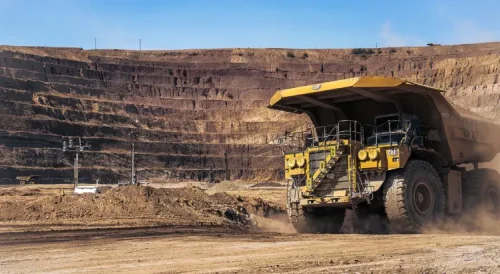
The country lies within the Central African Copperbelt, one of the world’s richest copper-producing regions. Zambian deposits average around 2.1% copper grade, significantly higher than the global industry average of roughly 0.8%.
Higher-grade ore means more copper can be extracted from smaller volumes of rock, resulting in lower processing costs, reduced energy consumption and improved profitability.
This geological advantage allows mining operations in Zambia to remain competitive even during periods of lower commodity prices.
Expanding Production Capacity
Zambia has set ambitious targets to expand its copper production over the next decade.
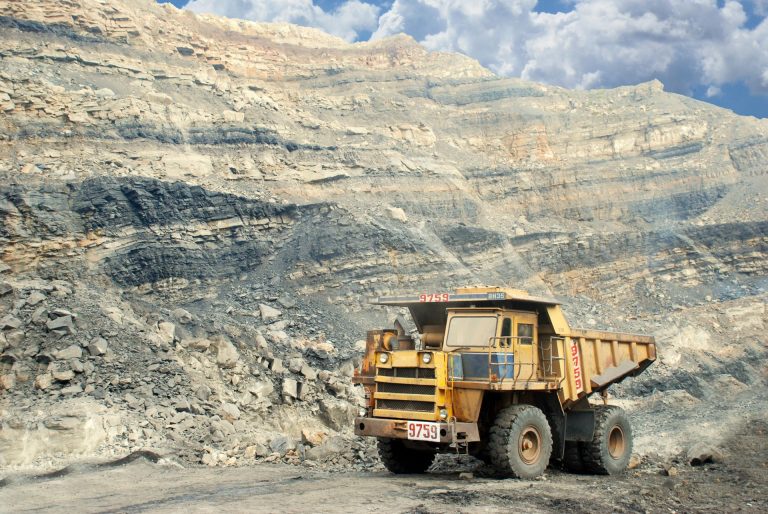
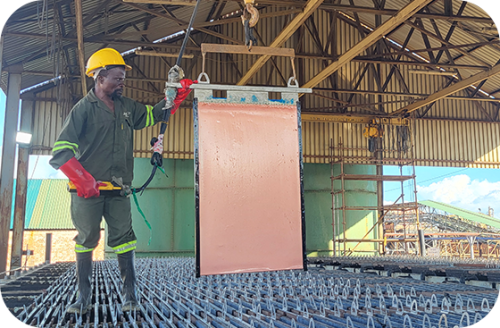
The country produced approximately 880,800 tonnes of copper in 2021. Government and industry initiatives aim to increase production to 1 million tonnes annually in the near term, with long-term projections targeting as much as 3 million tonnes per year by 2031.
Achieving these targets would place Zambia among the world’s leading copper producers.
International investment is playing a major role in this expansion. Global mining companies including First Quantum Minerals, Vedanta Resources, and Barrick Gold have all expanded their operations in the country.
Meanwhile, the Zambian government is investing in power infrastructure, transport networks and geological exploration to support long-term mining growth.
Economic Impact and Strategic Importance
Copper remains the backbone of Zambia’s economy, accounting for roughly 70% of export earnings and about 15% of the country’s gross domestic product.
Growth in the mining sector has broader economic benefits, including job creation, infrastructure development and expansion of supply chain industries such as logistics, engineering and equipment services.
Economic modelling suggests that every $1 billion generated from copper exports can produce more than $2 billion in additional economic activity across the wider economy.
A Strategic Supplier for the Future
As the world accelerates toward electrification and digital transformation, secure copper supply is becoming increasingly important for industries ranging from renewable energy to automotive manufacturing.
With its high-grade deposits, expanding investment and favourable geological conditions, Zambia is well positioned to play a central role in meeting future global copper demand.
In the years ahead, the country’s mining sector could become one of the most important pillars supporting the global energy transition.