

Jubilee Metals increased copper production from its Zambian operations by 225% to 3 739 tonnes in the year ended June 30, 2026, as the company moved towards a more integrated mining and refining model.
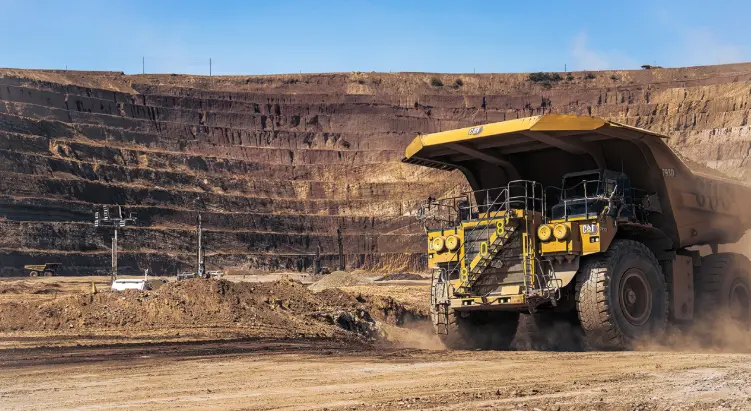
The total comprised 2 823 tonnes from Roan and 916 tonnes from the Molefe mine, where production began about a year ago.
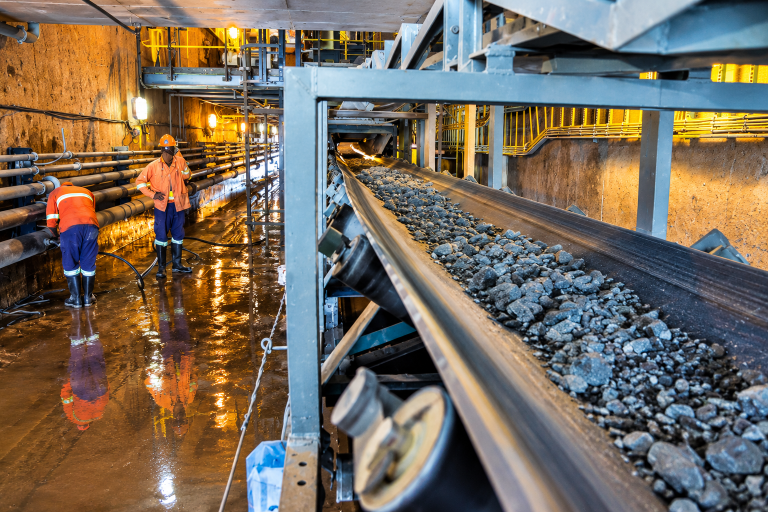
Combined copper in concentrate and run-of-mine material delivered to the Sable Refinery rose by more than 1 400% to 1 342 tonnes during the year.
Third-party run-of-mine processing at Roan also increased copper oxide concentrate production by more than 1 000% to 997 tonnes.
Copper sulphide concentrate production, however, fell by 14.4% to 913 tonnes. Jubilee attributed the decline to the increased treatment of oxide ore, saying the result demonstrated Roan’s flexibility in processing different ore types.
Jubilee said accumulated stock of copper concentrate fines would be processed through its newly commissioned fines-concentrate dewatering circuit before being transported to Sable for further processing.
“Third-party processing has provided Jubilee with an important platform from which to establish and grow copper production in Zambia. The company’s expanding mining footprint is intended to complement this platform by securing a growing, long-term supply of Jubilee-controlled copper feed for processing and refining through Sable,” the company said.
Jubilee said Roan had matured into a stable operating unit, delivering consistent performance and a significant increase in copper production. Roan is the first established source of copper concentrate supplying Sable.
The company is targeting the Molefe mine and Project G as its next operational feed sources as it builds the baseload supply needed to support its refining capacity.
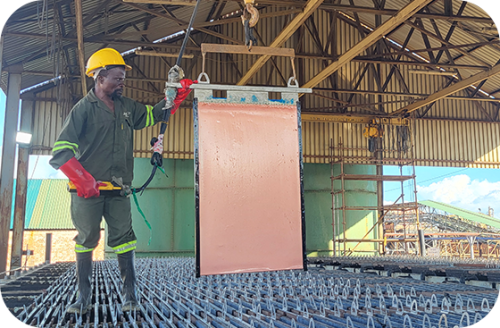
Cathode production at Sable increased by 17.5% to 1 207 tonnes during the year. The company said the refinery continued to scale up towards its targeted refining efficiency.
Acid shortages pressure Sable
During the quarter ended June 30, domestic acid availability fell significantly, resulting in tighter supply conditions. The cost of domestic acid increased by more than 200%, while diesel costs rose by 90%, Jubilee said.
“These combined factors have had a marked impact on production at Sable and have contributed to a growing number of forced temporary closures of metal-processing plants in our area of Zambia,” the company said.
Jubilee said it had partially mitigated the effects through the flexibility of its operating model. Sable’s production remained dependent on Roan and Molefe achieving their project milestones.
Asset disposal continues
Jubilee is continuing with its asset-disposal programme. Last month, it announced the signing of binding heads of terms for the sale of the Large Waste Project for $35m, with an option for accelerated settlement at a reduced consideration of $30m.
Due diligence on the project was ongoing. Jubilee expected the transaction to close within the following week, subject to the conclusion of the final transaction documents.
If completed, the deal would release a deposit payment of $2.25m to secure an exclusivity period while the parties finalised the transaction.
The disposal would refine Jubilee’s three-pillar copper strategy to reflect the evolution of its Zambian asset portfolio and its increasing focus on company-controlled mining and exploration opportunities.
Jubilee is transitioning from a predominantly third-party processor towards a more integrated mine-to-metals copper business.